Best time to climb Mount Kenya Batian and Nelion peak
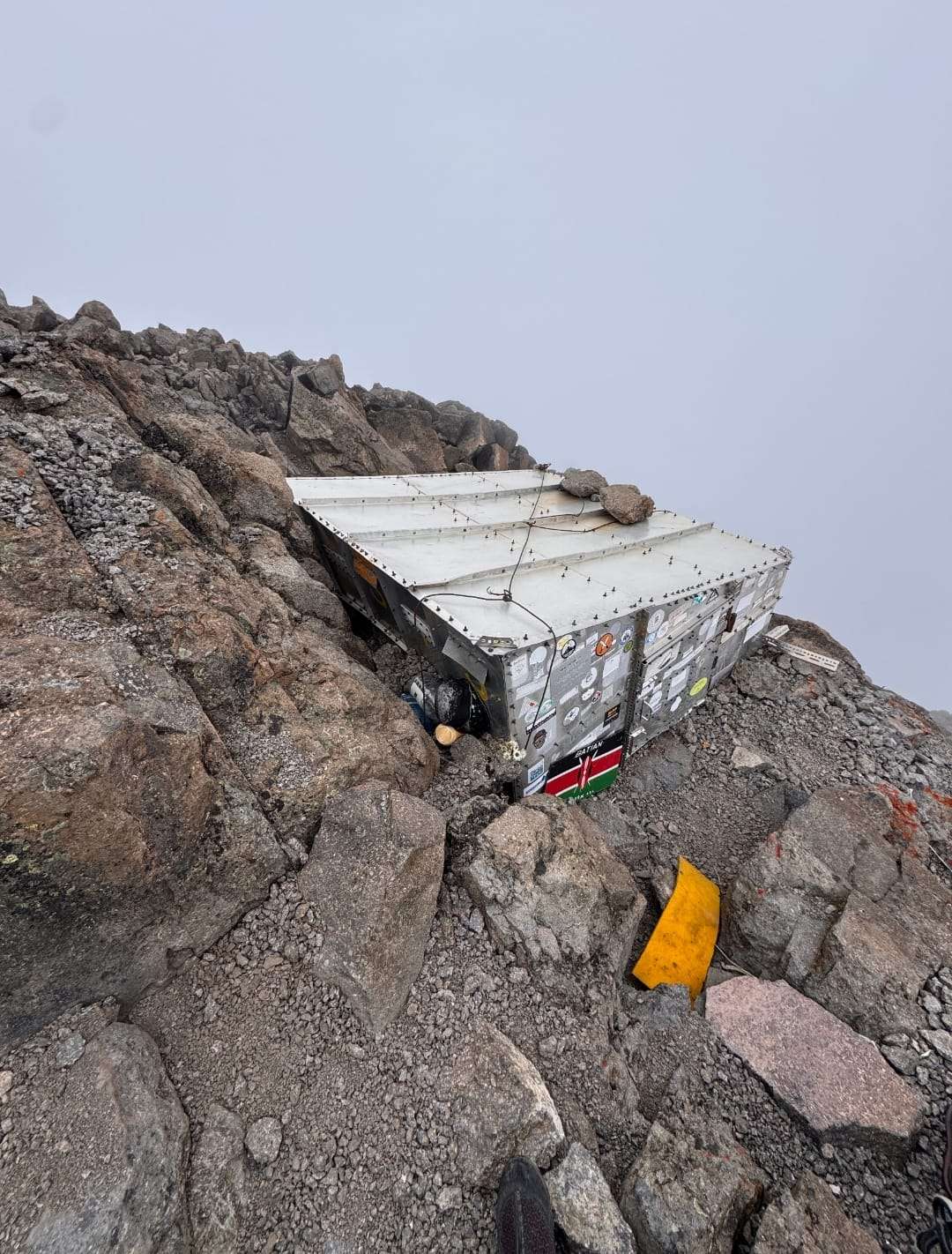
The best time to climb Batian (5,199 m) and Nelion (5,188 m) on Mount Kenya is during the dry seasons, when the rock is dry and weather is more stable for technical climbing. Best Months.
January – early March Warm and relatively stable weather Dry rock on the south face routes Good for the Nelion → Batian traverse (Gate of the Mists)
July – October Very clear mornings and dry conditions Often the most reliable season for technical climbs August–September usually has the driest rock conditions
Months to Avoid ❌ March – May (long rains) Wet rock and poor visibility Snow and ice on routes ❌ November – early December (short rains) Unpredictable weather and slippery granite.
Daily Timing on Summit Day Start climbing very early (around 2–4 AM) Best climbing window is morning before clouds build up.
Simple guide ⭐ Best overall: February, August, September 👍 Good: January, early March, July, October ⚠️ Risky: April–May, November
Below is a complete gear checklist used by most climbers attempting Batian or Nelion. Technical Climbing Gear Essential equipment for the rock climbing sections. Climbing helmet – protects from falling rocks Climbing harness – for rope attachment Dynamic climbing rope (50–60 m) Belay device (ATC or similar) Carabiners (locking & non-locking) – about 6–8 Quickdraws – 4–6 Cams / friends (sizes 0.3 – 3) Set of nuts / stoppers Slings / runners (60 cm & 120 cm) Prusik cords or ascenders Climbing shoes – for technical rock sections
Most guided climbs provide group gear like ropes and protection, but climbers should confirm with their guide.
Mountaineering & Safety Gear Conditions can include ice, snow, and freezing temperatures near the summit. 1.Mountaineering boots (stiff sole, warm) 2.Crampons – sometimes necessary early morning 3.Ice axe – for balance and safety 4.Headlamp with spare batteries 5.Glacier sunglasses (UV protection) 6.Personal first aid kit 7.Emergency whistle
Clothing (Layering System) Temperatures on Mount Kenya summits can drop to −10 °C or lower before sunrise. 1.Thermal base layers (top & bottom) 2.Fleece or softshell mid layer 3.Insulated down jacket 4.Waterproof shell jacket 5.Waterproof pants 6.Warm climbing gloves 7.Light liner gloves 8.Warm hat / balaclava 9.Wool hiking socks (2–3 pairs)
Personal Trekking Equipment These items are used during the approach trek and summit climb. 1.40–50 L backpack 2.Trekking poles 3.Water bottles or hydration bladder (2–3 L) 4.Energy snacks / summit food 5.Sunscreen & lip balm 6.Personal medication 7.Camera or phone 8.Dry bags for waterproofing gear
Talk with our team
Any Question? Feel Free to Contact
Our Customer Support & Information Center can help provide you with the quickest answers to your questions, or feel free to contact us at your convenience.
We use cookies to ensure that we give you the best experience on our website. If you continue to use this site we will assume that you are happy with it.